
Elder abuse is one of the most underreported crimes in California. According to the National Council on Aging, only 1 in 24 cases of elder abuse is ever reported to authorities, even though nearly 10% of Americans over 60 experience abuse each year. To fight this growing problem, California has enacted Penal Code § 368, a powerful law that makes it a crime to abuse, neglect, or financially exploit a senior citizen or dependent adult.
If you or a loved one is facing elder abuse in California, it’s important to know both the criminal and civil sides of the law. At Fassonaki Law Firm, P.C., your trusted personal injury lawyer in Los Angeles takes swift action to protect seniors and hold abusers accountable.
What Qualifies as Elder Abuse in California?
Under PC 368, elder abuse means harming, neglecting, or taking advantage of a senior (age 65 or older) or a dependent adult. Abuse can happen at home, in a nursing home, or in an assisted living facility. The law covers five main types of elder abuse:
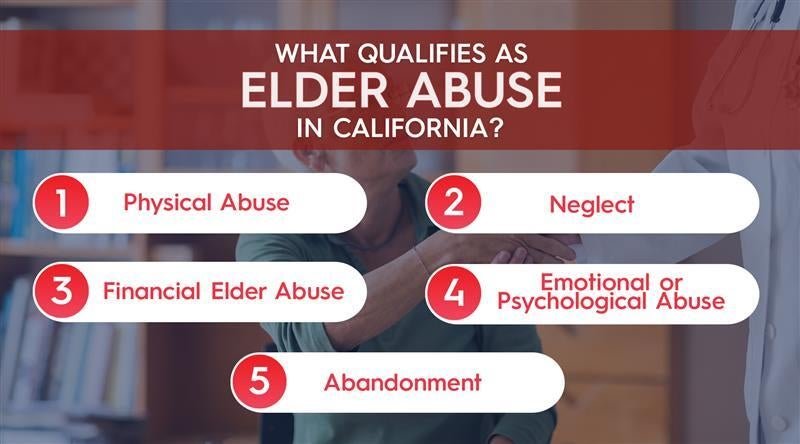
1. Physical Abuse
This includes hitting, slapping, shoving, or using restraints in a harmful way. Even allowing someone else to hurt an elder can count as abuse.
2. Neglect
Neglect happens when a caregiver fails to provide basic needs like food, clean clothing, safe shelter, or medical care. Many nursing home neglect cases in California fall under this type of abuse.
3. Financial Elder Abuse
This is when someone steals from, tricks, or pressures a senior into giving away money, property, or assets. It can be done by family members, caregivers, or even outside scammers.
4. Emotional or Psychological Abuse
Not all abuse leaves physical marks. Threats, intimidation, humiliation, and isolating seniors from friends or family can cause serious emotional harm.
5. Abandonment
Leaving a senior who needs care without support is also considered abuse, especially when the caregiver is responsible for their well-being.
How to Report Elder Abuse in California?
If you suspect that a loved one or any senior is being abused, neglected, or financially exploited, it’s critical to take action immediately. Welfare & Institutions Code §15610.07 clearly defines elder abuse in California and provides legal ways to report it and get help from authorities.
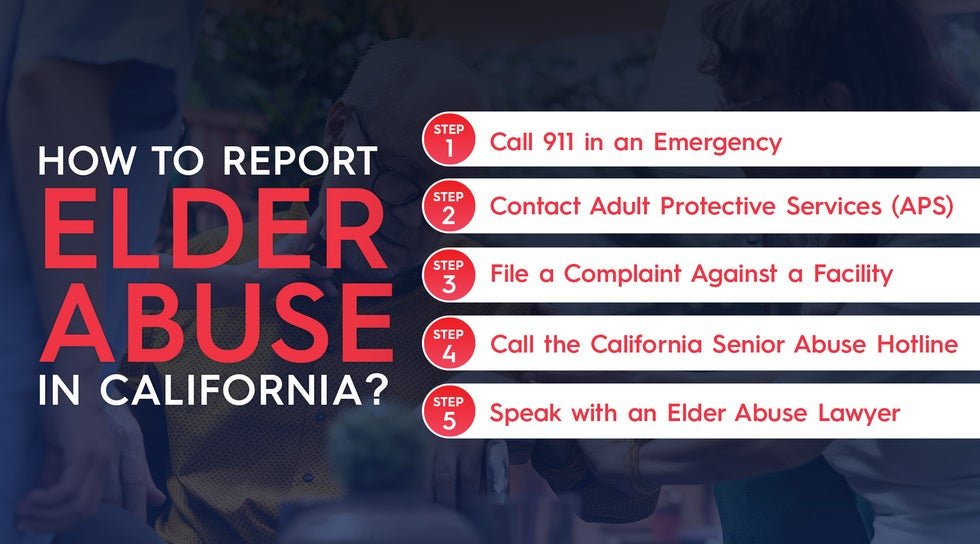
Step 1: Call 911 in an Emergency
If the elder is in immediate danger or has been harmed, always call 911 first. Law enforcement can step in right away to stop the abuse and begin a criminal investigation under PC 368 California Penal Code.
Step 2: Contact Adult Protective Services (APS)
Each county in California has an Adult Protective Services (APS) office. APS investigates reports of elder abuse and neglect for seniors living at home or in the community. You can file a report by phone or online.
Find your local APS office here: California Department of Social Services – APS
Step 3: File a Complaint Against a Facility
If the abuse happens in a nursing home or assisted living facility, you can report it to the:
California Department of Public Health (CDPH) for nursing homes.
California Department of Social Services, Community Care Licensing Division for assisted living facilities.
Step 4: Call the California Senior Abuse Hotline
California also operates a senior abuse hotline to guide families on where and how to report elder abuse.
Step 5: Speak with an Elder Abuse Lawyer
Reporting abuse is only the first step. While the state can press criminal charges under PC 368, families often need to pursue a civil lawsuit to recover compensation for medical bills, pain, suffering, and other damages. That’s where our experienced elder abuse attorney can help.
What is the Penalty for Elder Abuse in California?
In California, the punishment for elder abuse depends on how serious the case is.
Misdemeanor elder abuse can mean up to 1 year in county jail and fines up to $6,000.
Felony elder abuse can bring 2–4 years in state prison, fines up to $10,000, and extra years if the victim suffers serious injury or death.
Financial elder abuse is punished based on the amount taken: under $950 is usually a misdemeanor, while over $950 may be charged as a felony with up to 4 years in prison.
These penalties are strict because California wants to protect seniors from harm. On top of criminal charges, victims and families can also file a civil lawsuit to recover money for medical costs, emotional distress, and other damages.
What is the California Statute of Limitations for Elder Abuse Claims?
Families seeking to file a civil claim for elder abuse, neglect, or wrongful deaths in California must act quickly. According to California’s statute of limitations, you generally have two years from the date the abuse was discovered (or should have been discovered) to file a claim against an individual or non-government entity.
Missing this deadline may mean losing the right to seek elderly abuse damages in California. Since other related claims can have shorter filing periods, it’s crucial to contact an experienced elder abuse attorney as soon as possible.
What Happens if You Are Accused of Elder Abuse in California?
Once a report is made, law enforcement and Adult Protective Services can open an investigation. If they believe there is enough evidence, the district attorney may file criminal charges.
Misdemeanor charges can lead to up to 1 year in jail.
Felony charges can mean several years in state prison, especially if the elder was badly hurt or large amounts of money were taken.
A conviction can also result in fines, probation, restraining orders, and a permanent criminal record.
Even if you are not guilty, these accusations can damage your reputation, career, and family life. That’s why it’s critical to have an experienced defense and to understand your rights early in the process.
At Fassonaki Law Firm, P.C., we protect both victims and those wrongly accused. Call us at 323-524-8994 for immediate legal guidance.
What is the settlement value of elder abuse cases in California?
The settlement value of an elder abuse case in California depends on the severity of harm, medical costs, financial losses, and emotional suffering. Typical cases can range widely: minor neglect or financial misuse might settle for $50,000–$200,000, while severe abuse, serious injury, or preventable death can lead to settlements in the hundreds of thousands to several million dollars.
Factors that influence the settlement include medical expenses, ongoing care costs, lost assets, emotional trauma, and in some cases, punitive damages meant to punish particularly reckless or malicious conduct. Even if a case does not go to trial, many families achieve substantial compensation because abusers or facilities often prefer to settle rather than face lengthy litigation and public scrutiny.
Contact Fassonaki Law Firm P.C. Lawyer Today!
An elder abuse accusation in California can seriously affect your freedom, reputation, and family life. Stay calm and avoid speaking to anyone or signing documents without legal advice. Collect all relevant evidence: medical records, care logs, financial statements, or any proof showing your responsible actions. Even mistaken claims can have long-term consequences if not handled properly.
Take action immediately. At Fassonaki Law Firm, P.C., we protect your rights, guide you through every step of the legal process, and build a strong defense. Call 323-524-8994 now for a free consultation. Early intervention can make all the difference in safeguarding your future.
Frequently Asked Questions
1. What Constitutes Elder Abuse in California?
Elder abuse includes physical harm, neglect, emotional abuse, and financial exploitation of anyone aged 65 or older. PC 368 defines both misdemeanor and felony abuse depending on severity.
2. How Do You Prove Elder Abuse in California?
Evidence can include medical records, photos, financial statements, and witness accounts. Even signs of reckless neglect or financial exploitation are sufficient under California Penal Code 368.
3. What Are the Penalties for Elder Abuse in California?
Misdemeanor: Up to 1 year in county jail, fines up to $6,000
Felony: 2–7 years in state prison
Civil penalties: Medical costs, pain and suffering, lost assets, and punitive damages under EADACPA
4. Who can be held liable for elder abuse?
Caregivers, family members, nursing home staff, and administrators can all be held accountable. Civil claims under the Elder Abuse and Dependent Adult Civil Protection Act (EADACPA) allow victims or their representatives to seek compensation.
5. How quickly should I act after noticing elder abuse?
Civil claims generally have a two-year statute of limitations under EADACPA from the date the abuse is discovered. Reporting abuse early preserves evidence and protects the victim.